
 Can Foreigners Buy Property in Thailand? A Guide for Singapore Buyers
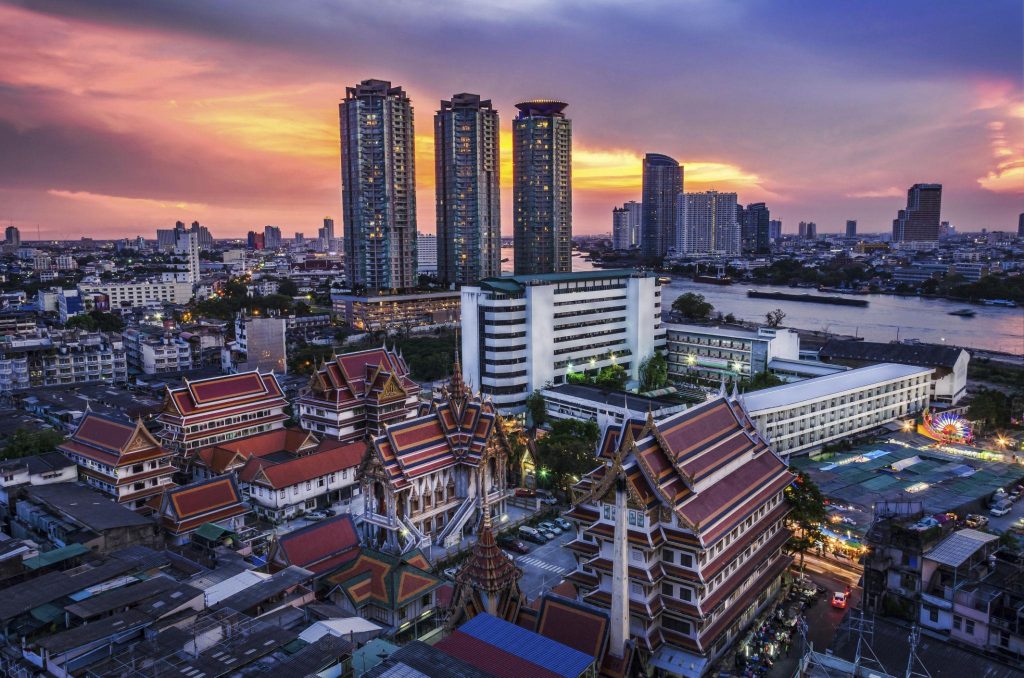
Thailand remains a popular overseas property market for Singapore buyers, particularly in Bangkok and Phuket. From city condominiums close to BTS and MRT stations to resort residences, there is a wide variety of property available.
However, buying property in Thailand as a foreigner is different from buying property in Singapore.
Foreign ownership restrictions, condominium quotas, foreign-currency remittance requirements, taxes and transfer procedures should all be understood before committing to a purchase.
This guide provides an introduction to the key considerations for Singapore and other foreign buyers considering a property in Thailand.
Can Foreigners Buy Property in Thailand?
Yes. Foreigners can generally own qualifying condominium units in Thailand in their own name, subject to Thailand’s condominium ownership regulations.
One of the most important rules is the foreign ownership quota.
Foreign ownership within a registered condominium cannot exceed the applicable 49% foreign ownership limit.
This means that even when a development is advertised as freehold, a foreign purchaser should not assume that every available unit can automatically be purchased under foreign freehold ownership.
The foreign quota applicable to the particular condominium and unit should be confirmed before purchase.
What Does Freehold Mean for a Foreign Buyer?
A qualifying foreign buyer who purchases a condominium within the permitted foreign ownership quota can generally register ownership of the condominium unit.
This is different from a leasehold arrangement, where the buyer receives rights to use the property for a defined lease period rather than owning the condominium unit indefinitely.
When considering a Thailand property advertised as freehold, foreign buyers should therefore confirm:
- Whether the property is a registered condominium
- Whether the particular unit is available under the foreign ownership quota
- The exact form of ownership being offered
- Whether any separate rental, hotel-management or leaseback arrangement applies
These checks are particularly important for branded residences and developments that combine residential and hospitality uses.
The 49% Foreign Ownership Quota
Thailand places a limit on foreign ownership within condominium developments.
Foreign purchasers collectively may own up to the permitted 49% proportion of a registered condominium, with the remaining portion reserved for Thai ownership.
Before ownership is transferred, documentation confirming that the condominium remains within the permitted foreign ownership proportion is required.
For popular developments with strong overseas demand, foreign-quota availability can therefore become an important consideration when choosing a unit.
Sending Purchase Funds to Thailand
Foreign buyers should also pay careful attention to how purchase funds are transferred into Thailand.
For qualifying foreign condominium purchases, funds may need to be remitted from overseas into Thailand in foreign currency, with appropriate banking documentation retained for the ownership-transfer process.
The transfer documentation should clearly identify the purpose of the funds as being for the purchase of the condominium.
Buyers should confirm the required wording and banking documentation before transferring substantial funds, rather than trying to correct the documentation afterwards.
Can Foreigners Buy Land in Thailand?
Foreign ownership of land is considerably more restricted than condominium ownership.
As a general rule, foreign buyers should not assume that they can directly purchase and own Thai land in the same manner as a Thai citizen.
There are limited statutory exceptions subject to specific conditions, but these should not be treated as the normal route for an overseas residential purchaser.
This distinction is particularly important when comparing:
Condominium ownership — where qualifying foreign freehold ownership may be possible
with
Landed property — where the underlying land is subject to much stricter foreign ownership rules.
Foreign purchasers considering villas, houses or landed developments should obtain independent Thai legal advice on the ownership structure being proposed.
What Costs Should Buyers Consider?
The advertised property price is only one component of the total purchase cost.
Depending on the property and transaction, buyers may need to consider:
- Transfer fees
- Applicable taxes and duties
- Legal fees
- Maintenance or common-area charges
- Sinking fund contributions
- Furnishing costs
- Property management charges
- Rental management fees
- Insurance
- Foreign exchange costs
Thailand’s government guidance identifies a 2% transfer fee based on the property’s appraised value for a land or condominium transfer, although the actual allocation of transaction costs between buyer and seller should be confirmed for the particular transaction.
Taxes and fees can change, and promotional arrangements may differ between projects, so buyers should obtain an updated transaction-cost breakdown before purchase.
Buying a Thailand Property for Investment
Overseas buyers are often attracted by advertised rental yields or potential capital appreciation.
These projections should be assessed carefully.
Before purchasing an investment property, consider:
Actual Purchase Price
Compare the price with comparable completed and new properties in the surrounding neighbourhood.
Rental Demand
Consider who is realistically likely to rent the property and why they would choose that location.
Transport
In Bangkok, proximity to an operating BTS or MRT station can be an important consideration. Buyers should distinguish between existing transport infrastructure and future stations that have not yet opened.
Management Costs
A high advertised rental yield can become considerably less attractive after maintenance, management, furnishing, vacancy and other expenses.
Foreign Exchange Risk
Singapore buyers purchasing in Thai Baht should remember that currency movements can affect both the initial purchase cost and eventual investment return when converted back to SGD.
Resale Market
Consider who is likely to buy the property from you in the future.
A good overseas property decision should include an exit strategy, not simply an entry price.
Branded Residences and Rental Programmes
Some Thailand developments are associated with international hospitality brands or offer rental-management, leaseback or hotel programmes.
These arrangements can be attractive, but buyers should understand exactly what they are purchasing.
Check:
- Whether you own the condominium unit directly
- Whether participation in a rental programme is compulsory or optional
- Management fees
- Revenue-sharing arrangements
- Owner-occupation restrictions
- Contract duration
- Exit provisions
- Furniture requirements
- Whether any advertised return is guaranteed and, if so, by whom
Historical promotional material should not be relied upon to establish current programme terms.
Always request the latest contractual documentation.
Should Singapore Buyers Obtain Legal Advice?
For an overseas property purchase, obtaining independent professional advice is sensible.
A Thai property lawyer can assist with matters such as ownership structure, title documentation, contracts, foreign ownership eligibility and the transfer process.
Buyers with more complex tax or investment considerations may also wish to obtain appropriate tax advice in both Thailand and Singapore.
The lawyer or adviser should ideally be independent of the party selling the property.
A Practical Checklist Before Buying
Before committing to a Thailand condominium, a foreign buyer should confirm:
- Exact project and developer
- Freehold or leasehold tenure
- Foreign ownership quota availability
- Exact unit number and floor plan
- Purchase price in THB
- Payment schedule
- Completion status or expected completion
- Transfer fees and taxes
- Maintenance charges
- Sinking fund
- Foreign-currency remittance requirements
- Rental or management programme terms, if applicable
- Restrictions on owner occupation, if applicable
- Current surrounding transport infrastructure
- Independent legal review
- Resale and exit considerations
Property360 Insight
Buying a property in Thailand can be relatively straightforward for a foreign purchaser when buying an eligible condominium, but it should not be approached as though it were a Singapore property transaction.
The foreign ownership quota, method of transferring funds, ownership structure and transaction costs are particularly important.
For Singapore buyers, we recommend focusing first on the fundamentals: location, actual unit, developer, connectivity, price, foreign ownership eligibility and exit strategy.
Marketing claims about rental yields or future capital appreciation should come after those fundamentals, not before them.
If you are considering a Bangkok or Thailand property, contact Shirley at Property360 for current project information and available units. Where specialist legal or tax advice is required, buyers should consult appropriately qualified professionals before committing to a purchase.
Explore Thailand Properties
If you are considering buying property in Thailand, explore these Bangkok developments currently featured on Property360:
Cassia Residences Rama 9 Bangkok
Located in Bangkok’s Rama 9 New CBD, Cassia Residences Rama 9 Bangkok is a freehold development offering convenient access to the city’s business, retail and transport network.
Explore Cassia Residences Rama 9 Bangkok
Mulberry Grove Sukhumvit Bangkok
Mulberry Grove Sukhumvit is a luxury freehold development in Ekkamai–Sukhumvit, approximately 250 metres from Ekkamai BTS according to the project information. Its spacious residences and multi-generational living concept distinguish it from many compact Bangkok condominiums.
Explore Mulberry Grove Sukhumvit Bangkok
Current prices, unit availability and foreign ownership quota should be confirmed before purchase.
This article provides general property information and should not be treated as legal, tax or financial advice.